
Daily Routine Tools for Adults With Disabilities
A daily routine works best when the person following it can actually see it and use it. Here's a look at the simple tools, like visual schedules, checklists, and timers, that help residents manage their own day, and how community living at LiveOak supports the move toward independent living.
We've written before about why structured daily activities matter for adults with disabilities. Predictability lowers anxiety, repetition builds skills, and a full day gives people something to look forward to. This post is about the part that usually gets skipped: how a person actually keeps track of their routine.
For a lot of residents, especially those with cognitive, intellectual, or developmental disabilities, a schedule someone else remembers for them doesn't do much for independence. A schedule they can see, read, and check off does. The tools below are simple, and most families have used some version of them at home. Used consistently, they help residents build practical life skills and take on more of their own day.
Why Tools Make the Difference
Many people with disabilities, including those with intellectual and developmental disabilities, autism, brain injury, or mental illness, take in information more easily when it's visual and concrete. Spoken reminders are easy to miss or forget. A picture on the wall stays put.
There's solid research behind this. Two systematic literature reviews found visual activity schedules to be an evidence-based intervention for helping people with autism and intellectual disabilities stay engaged and on task.
No single tool works for everyone. One resident might like seeing the whole week at a glance. Another might find that overwhelming and do better with just the next step. Figuring out the difference takes time and attention, and it's part of what good support looks like.
Visual Schedules
A visual schedule lays out the day in order. It might be a written list taped to the fridge, a row of photos, a color-coded weekly calendar, or reminders on a phone. Whatever the format, it answers the questions that tend to cause the most worry, like what's happening now, what's next, and when that outing to the store is.
How much to show at once depends on the person. The Indiana Resource Center for Autism notes that some people do well seeing one step at a time, while others prefer a longer sequence so they know what's coming later in the day.
Checklists and Planners
Cleaning a room or getting ready in the morning can feel like one big, vague job. Split into five or six steps on a checklist, it becomes something a person can finish on their own, with the small satisfaction of crossing each item off.
The nice thing about checklists is that people tend to outgrow them. After enough repetition, a resident stops needing the list for a task and it becomes habit. Then the list can move on to something new.
Residents at LiveOak work on skills like keeping up with their weekly planners and handling their own responsibilities. These practical life skills don't look like much on paper, but they support the development of personal skills that show up everywhere else, from a volunteer shift to plans with friends.
Timers and Time Cues
Switching from one activity to another is hard for many people, and harder still when it's tough to judge how much time has gone by. Being told to stop a game right now can feel sudden and unfair.
A timer helps with that. A visual timer shows time running down, a phone alarm gives a heads-up, and even a simple "five more minutes" lets someone wrap up instead of being cut off. Eventually a lot of residents start setting their own alarms, which comes in handy for work, appointments, and getting around the community.
When Plans Change
Routines get interrupted all the time. A holiday falls midweek, it storms on outing day, a doctor's appointment moves, or a new roommate arrives. Change is going to happen regardless, so the real question is how do we help someone through it.
Giving notice early makes a big difference. Hearing about a change the day before, and seeing it written on the calendar, is much easier than finding out that morning. A short, plain explanation of why the plan changed helps too. So does keeping the rest of the day familiar, with meals, bedtime, and favorite activities staying put while one piece moves.
Bigger changes need even more preparation. Sean, one of our residents, started out at LiveOak Ranch and later moved to SmithHouse for more tailored support. A move like that goes much better when it's planned and talked through ahead of time.
Choice Still Matters
A common worry we hear from families is that more structure means less freedom. It usually works the other way. When the basics of the day are predictable, there's more room for residents to decide the rest.
Some residents have joined Bible Study or Creative Writing, and others haven't. Free time looks different for everyone, too. One person might spend it playing guitar while another heads out with friends. Residents also sit down with staff for regular check-ins to talk about their goals, and for many of them, a job or volunteer shift ends up shaping the whole week.
This is where the schedules and calendars really pay off. If Thursday is open on your calendar and someone mentions bowling, you can just say yes.
The tools help with all of this. If you can read your own calendar, you can see that Thursday is open and say yes to the bowling trip.
How Routine Looks Across LiveOak's Communities
Community living isn't one-size-fits-all, and LiveOak's three locations offer different levels of support:
- LiveOak Ranch, a 63-acre ranch seven miles from San Marcos, provides a structured community setting with plenty of room for activities, clubs, and shared daily life.
- LiveOak Apartments, a five-unit complex, suits residents ready for more independent living. Branden, who moved to the Apartments in 2023, has kept his independence while still having support and structure. He volunteers at the Hays County Food Bank and stays active in clubs and outings.
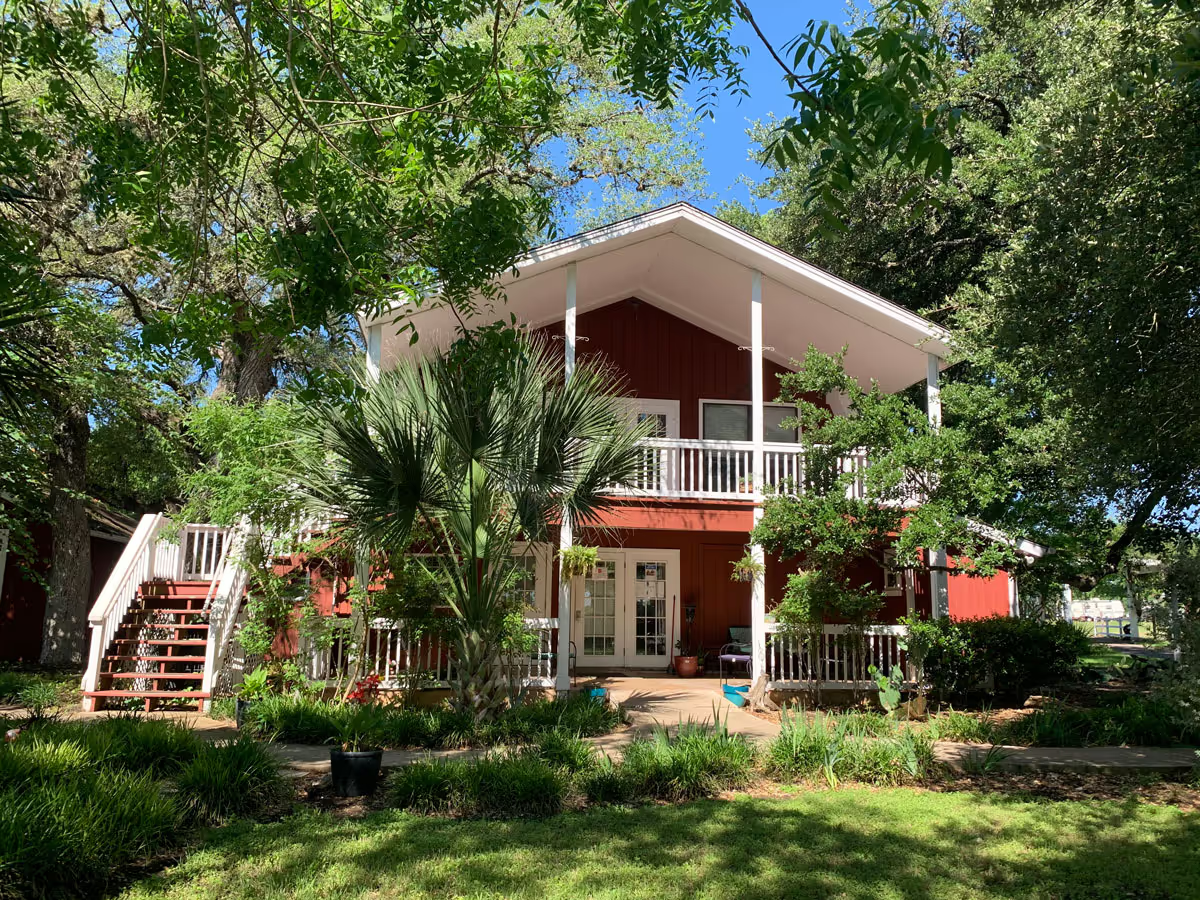
- SmithHouse, a seven-bedroom group home in downtown San Marcos, offers more tailored support within a close-knit household.
Across all three, Direct Support Professionals help residents build and adjust the routines that work for them, with support available around the clock.
A Few Suggestions for Families
A lot of families have spent years figuring out what helps their loved one get through the day. There's no reason to toss that out on move-in day. Tell us about the reminders and schedules that work at home, and bring along the planner or calendar they already use. We'd much rather build on what's working than start from scratch.
It also helps to try the new routine before committing. LiveOak offers overnight stays so families can see what an ordinary day is like, and so a future resident can start getting comfortable with it.
Getting Started
Routines work best when the person living them has a hand in running them. A schedule they can read, a checklist they can follow, and some warning before plans change can help adults with disabilities take on more of their own day and keep moving toward independent living.
LiveOak was built on the idea that everyone wants someplace to go, something to do, and someone to do it with. If you'd like to see what a day here looks like, we'd be glad to have you visit.
Someplace to Go, Something to Do, Someone to Do It With
At LiveOak, inclusion is not a program, it’s a mindset.
Schedule a Visit