
10 Questions to Ask Before Choosing Residential Care
Making the decision to have your loved one reside in an assisted living facility may be difficult. Knowing which questions to ask may help you choose where your loved one will reside. This article will explore the 10 things you need to know when making such a decision.
Choosing long-term residential care for an adult with cognitive disabilities can be one of the most difficult decisions a family will ever make. Many families find themselves navigating an unfamiliar system, comparing facilities, learning new clinical terminology, and trying to determine which environment will provide the safest and most supportive home for their loved one.
The right residential community can offer stability, meaningful connections, structured support, and opportunities for personal growth. But residential communities vary in the level of support, staffing, and programs they offer. Hence, it is important to ask the right questions to ensure you find a place where you can live comfortably.
Based on more than 20 years of conversations with families, case managers, and discharge planners, here are 10 important questions to ask before choosing a residential care community.
1. Is There Medication Management?
Medication management is arguably the most crucial aspect of adult care in a residential setting, as medication administration can significantly affect an individual's well-being and quality of life.
Rather than simply asking whether medication management is available, families should learn how medications are handled on a daily basis.
What to ask:
- Are medications administered by trained staff, or are residents expected to self-manage?
- What is your protocol when a resident refuses medication?
- How are medication changes communicated to the family and the prescribing physician?
At LiveOak Living Community, medication management is handled by trained staff members who know residents personally. Team members are direct employees of the community and receive training specific to the needs of the individuals they support. This consistency helps ensure medications are administered accurately and that concerns are recognized quickly.
2. Is There Staff On-Site 24 Hours a Day, 7 Days a Week?
Many communities advertise "24/7 staffing," but that phrase can mean different things at different facilities. Understanding who is available overnight and how emergencies are handled is essential.
The requirements of residents do not end at the conclusion of the day. It is essential that overnight assistance is available in case an emergency arises and a need to aid the resident at night arises.
What to ask:
- What is the overnight staffing ratio?
- What is the response protocol for an emergency?
LiveOak Living Community has on-site, 24/7 direct support staff. There is always a staff member available to assist residents, respond to emergencies, and provide support whenever it is needed.
3. Does the Community Have Experience with My Loved One's Diagnosis?
Not all cognitive disabilities or mental health conditions require the same type of support. Staff training and experience can significantly affect a resident's success.
Families should ask whether the community has experience supporting individuals with diagnoses similar to their loved one's.
Diagnoses to ask about specifically:
- Schizoaffective disorder
- Traumatic brain injury (TBI)
- Intellectual and developmental disabilities (IDD) with co-occurring psychiatric diagnoses
Since 2002, LiveOak Living Community has specialized in caring for adults with cognitive disabilities. Staff members are trained in de-escalation techniques, redirection strategies, and supportive approaches that help residents maintain stability and independence.
Over the years, we have learned that consistency often plays the biggest role in success. Familiar caregivers, predictable routines, and strong relationships help residents feel safe and supported.
4. What Is the Caregiver-to-Resident Ratio?
Caregiver/resident ratio is one of the most obvious ways to measure the quality of care. If caregivers have too many residents to care for, it would be harder to detect even small signals of potential issues.
What to ask:
- What is the daytime caregiver-to-resident ratio?
- Does staffing change on weekends or holidays?
Even minor signs, such as changes in mood, eating habits, sleep, and social behavior, may indicate that a person needs special attention. Appropriate staff ensure caregivers can detect these signs and help residents early.
The ratio of caregivers to residents at LiveOak Ranch during the day is 1:4.
5. How Do You Coordinate with Outpatient Providers?
Quality residential care extends beyond the community itself. Residents often work with psychiatrists, physicians, therapists, and other healthcare professionals who play an important role in their overall well-being.
What to ask:
- Who attends outpatient appointments with residents?
- How are medication changes recommended by outside providers communicated to your internal staff?
- Do you have a process for documenting behavioral observations that can be shared with the care team?
Strong communication between residential staff and outpatient providers helps ensure everyone involved in a resident's care is working toward the same goals.
At LiveOak Living Community, staff accompany residents to outpatient appointments and can provide valuable feedback based on daily interactions. Because caregivers know residents well, they are often able to share important observations that help healthcare providers make informed decisions.
6. Who Owns the Facility?
Ownership may not seem like an important consideration at first, but it can significantly impact the long-term quality and stability of a residential community.
In recent years, many residential care facilities have experienced ownership changes, acquisitions, and management transitions. These changes can affect staffing, policies, and the community's overall culture.
What to ask:
- Is it part of a chain or management company?
- Has it been acquired or changed ownership in the past?
- What protections exist for residents if ownership changes?
The LiveOak Living Community is an Employee Ownership Trust and is not a corporate franchise. This will ensure the community's long-term sustainability and enable it to achieve its primary goals.
7. What Is Included in the Base Monthly Fee?
Having prior knowledge of costs will help one avoid surprises and make comparisons effectively.
While some care centers may offer lower monthly costs, others may include extra charges that people often overlook during initial inquiries. This is why one should ask as many questions regarding fees as possible.
What to ask:
- What is included in the base monthly fee?
- What services are billed separately?
- How often do rates increase, and by how much?
Generally, the charge at Live Oak Ranch ranges from $300 to $500 per day. The charge will include the cost of staying in their facility, three meals per day prepared by their cooks, and transport to social gatherings.
Personal shopping, medications, and personal hygiene items are not included. We believe families should have a clear understanding of costs before making a long-term commitment.
8. What Does a Typical Week Look Like?
A residential community should offer more than housing and supervision. Daily life should include opportunities for engagement, purpose, and meaningful social interaction.
Research consistently shows that participation in activities and community involvement can contribute to emotional well-being and long-term stability.
What to ask:
- What activities are available?
- How do you engage residents who are withdrawn or symptomatic?
- What does a typical evening or weekend look like?
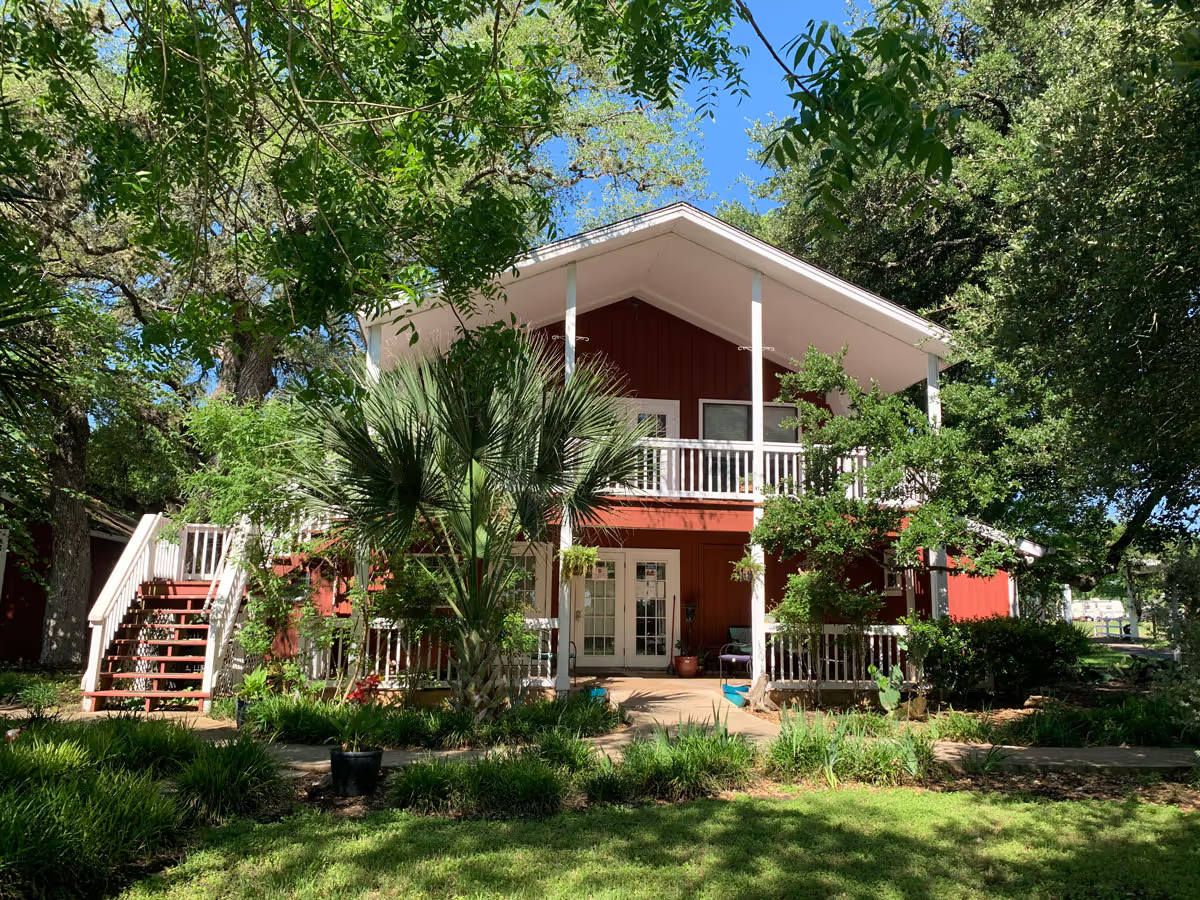
LiveOak Living Community is an intentional community located on a 63-acre campus in Martindale, Texas. Residents participate in community outings, volunteer opportunities, social activities, exercise programs, and on-campus work opportunities.
Daily life is designed to help residents build confidence, maintain connections, and enjoy meaningful experiences that support their personal goals.
9. Is Transportation Provided?
Transportation may be necessary for people with cognitive disabilities who cannot drive. A lack of transportation may make it difficult for people to reach places that require transport, such as hospitals.
What to ask:
- Is transportation to medical appointments included in the base fee?
- Are community outings available— such as grocery shopping, recreation, and social activities?
- What is the process for scheduling transportation?
Transportation should be viewed as a core component of quality care rather than an optional convenience.
At LiveOak Living Community, transportation for community activities is included in the base monthly fee. Residents regularly participate in outings that help them stay connected to the broader community while maintaining active and fulfilling lifestyles.
10. What Meal Services Are Available?
Nutrition plays an important role in overall health and wellness. For adults taking psychiatric medications, proper nutrition can be especially important because some medications may affect appetite, weight, or metabolism.
What to ask:
- Are meals prepared on-site or provided through a vendor?
- Can the facility accommodate dietary restrictions — medical, religious, or personal?
- What does mealtime look like as a community experience?
Families should understand how meals are prepared, whether dietary restrictions can be accommodated, and what the overall dining experience looks like.
At LiveOak Ranch, all three daily meals are prepared on-site by our chef. Residents enjoy a variety of nutritious meals in a welcoming environment that encourages social interaction and community connection.
Choosing a Community with Confidence
Choosing the right residential living community for your loved one will be an important step that impacts all aspects of his or her lifestyle. By asking intelligent questions regarding staffing, medication administration, transportation needs, activity levels, communication, and financial considerations, you can discover communities that not only offer good care but also stability.
At Live Oak Living Community, we know that adults with cognitive disorders flourish in supportive environments that include predictable caregivers, structured daily routines, and a caring community setting. The more time you take to consider your options, the better equipped you will be to find an appropriate home for your loved one.
Someplace to Go, Something to Do, Someone to Do It With
At LiveOak, inclusion is not a program, it’s a mindset.
Connect With Us